Category: Blog
-
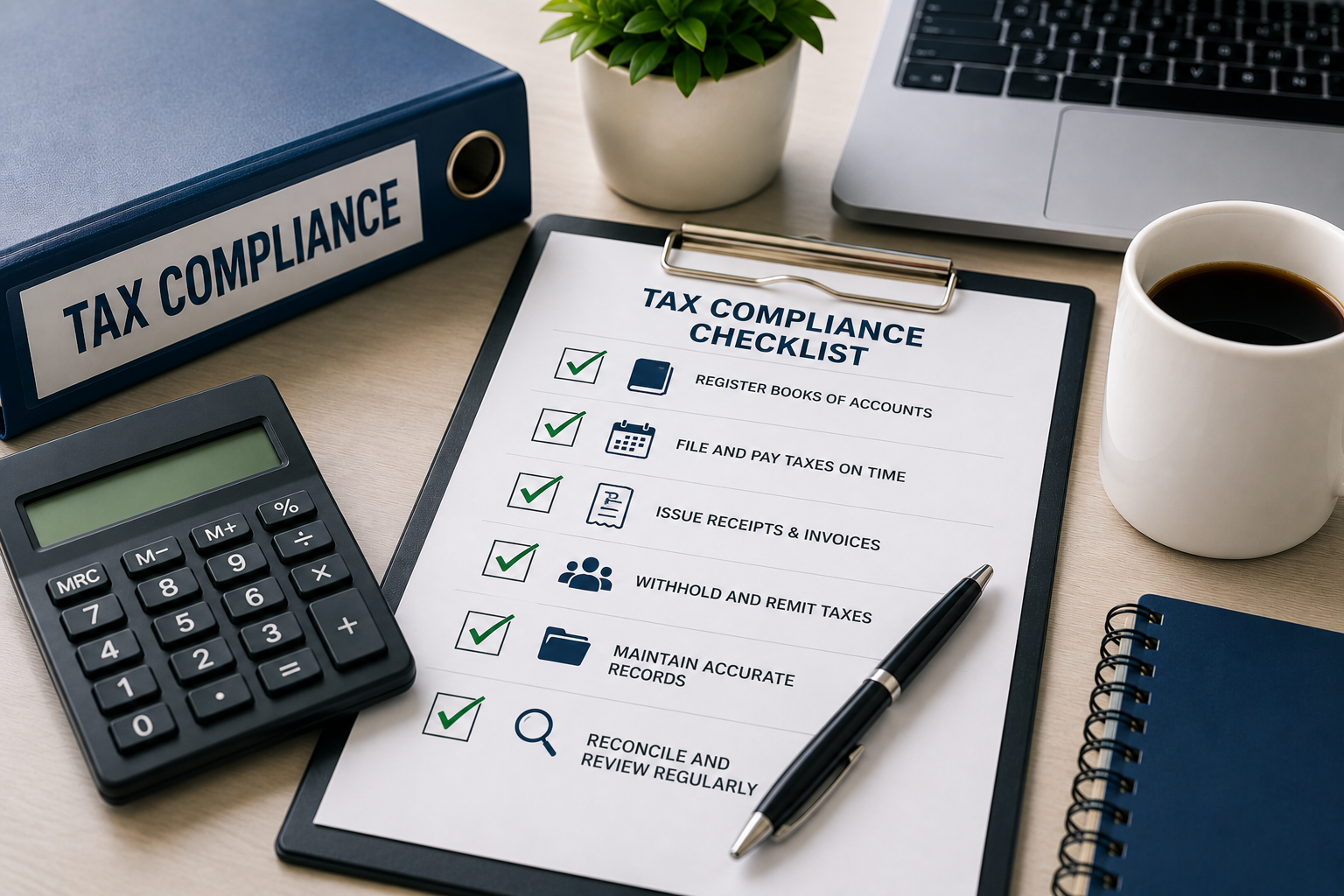
The Annual Tax Compliance Checklist Every Philippine Business Should Follow
A successful business is not only measured by its profitability but also by its ability to comply with legal and tax obligations. Every year, Philippine businesses are required to submit various reports to the Bureau of Internal Revenue (BIR), the Securities and Exchange Commission (SEC), local government units (LGUs), and other regulatory agencies. Missing even…
-
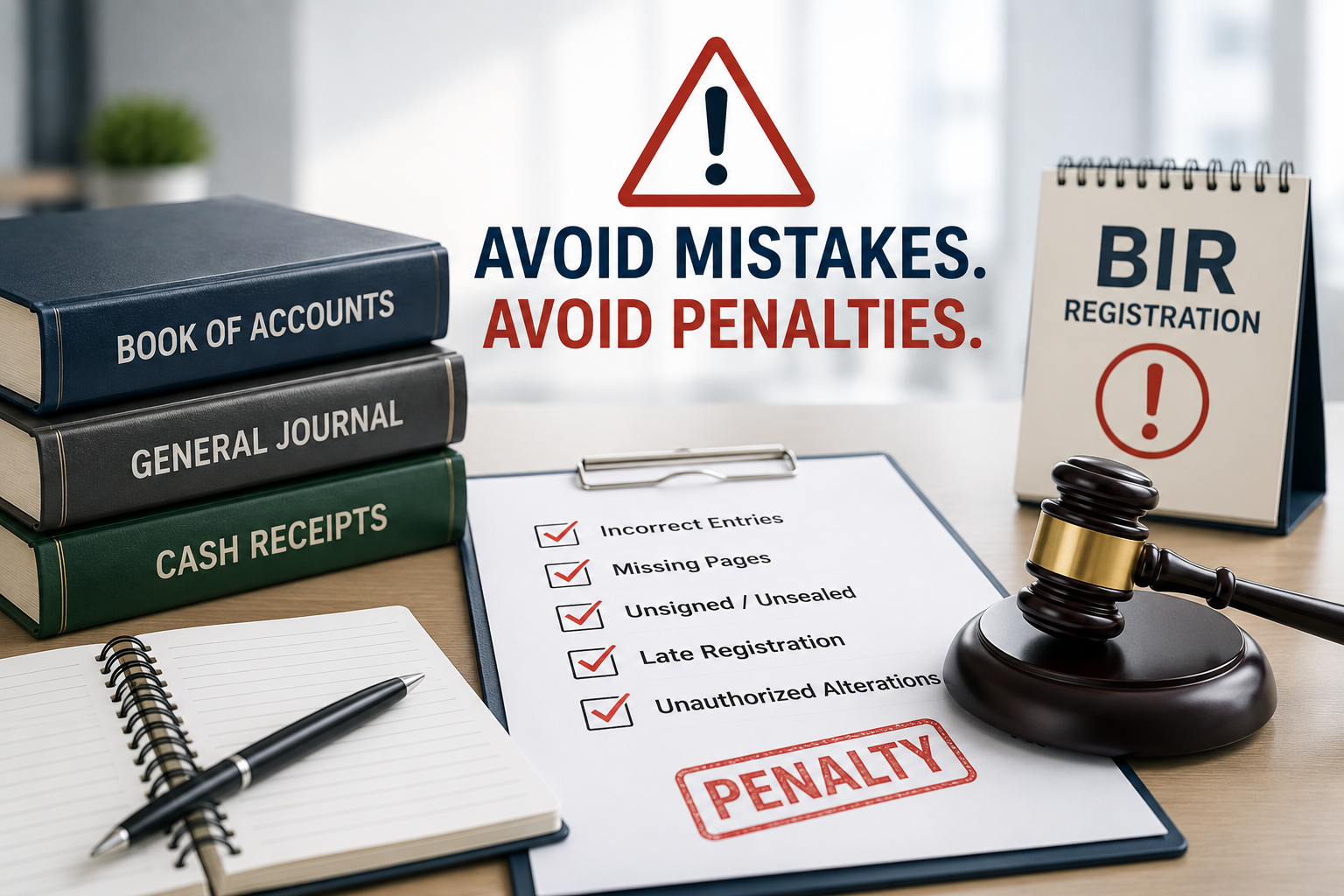
Common Mistakes in Registering Books of Accounts That Can Lead to BIR Penalties
Registering your Books of Accounts with the Bureau of Internal Revenue (BIR) is one of the first tax compliance obligations after starting a business in the Philippines. While the process has become more convenient through the BIR’s Online Registration and Update System (ORUS), many taxpayers still make avoidable mistakes that can result in penalties, compliance…
-
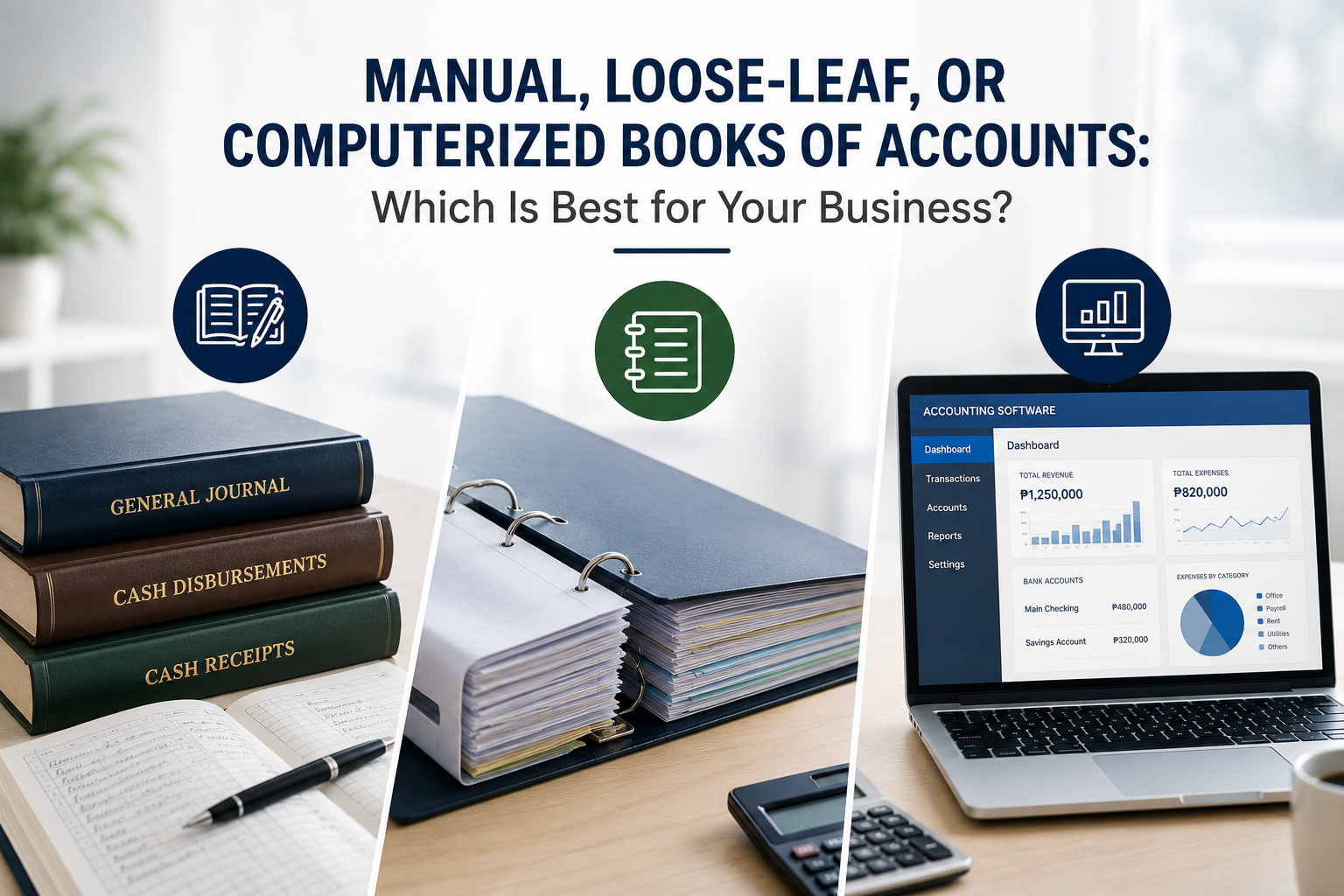
Manual, Loose-Leaf, or Computerized Books of Accounts: Which Is Best for Your Business?
Every business in the Philippines, regardless of size, is required to maintain Books of Accounts. Whether you are a sole proprietor, freelancer, corporation, or partnership, your accounting records serve as the foundation for preparing tax returns, financial statements, and supporting documents during a Bureau of Internal Revenue (BIR) audit. One of the first decisions every…
-
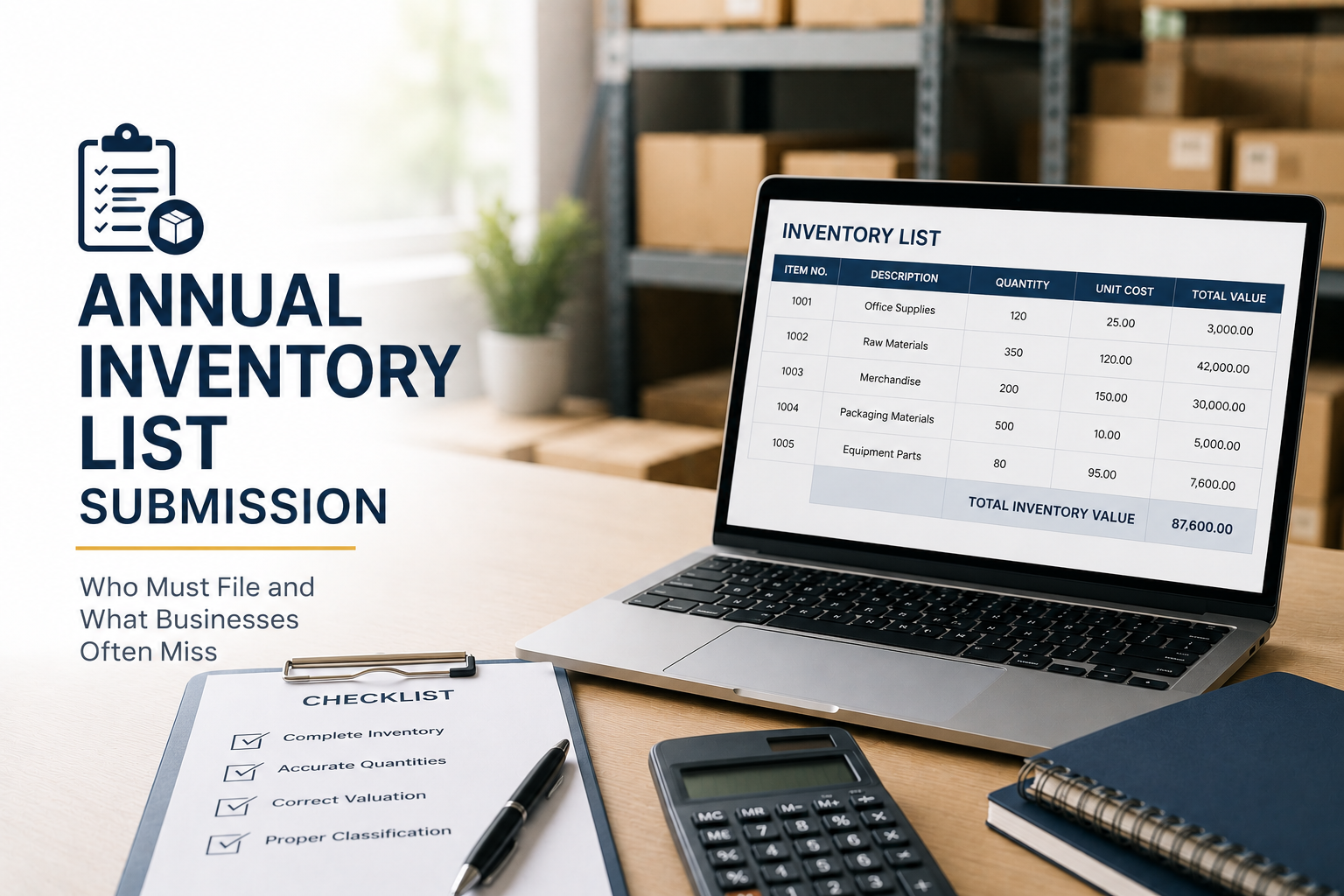
Annual Inventory List Submission: Who Must File and What Businesses Often Miss
Inventory is one of the largest assets reported by many businesses. Whether you operate a retail store, manufacturing company, wholesaler, restaurant, pharmacy, hardware store, or distribution business, your inventory directly affects your cost of sales, taxable income, and financial statements. Because of its significance, the Bureau of Internal Revenue (BIR) requires certain taxpayers to submit…
-
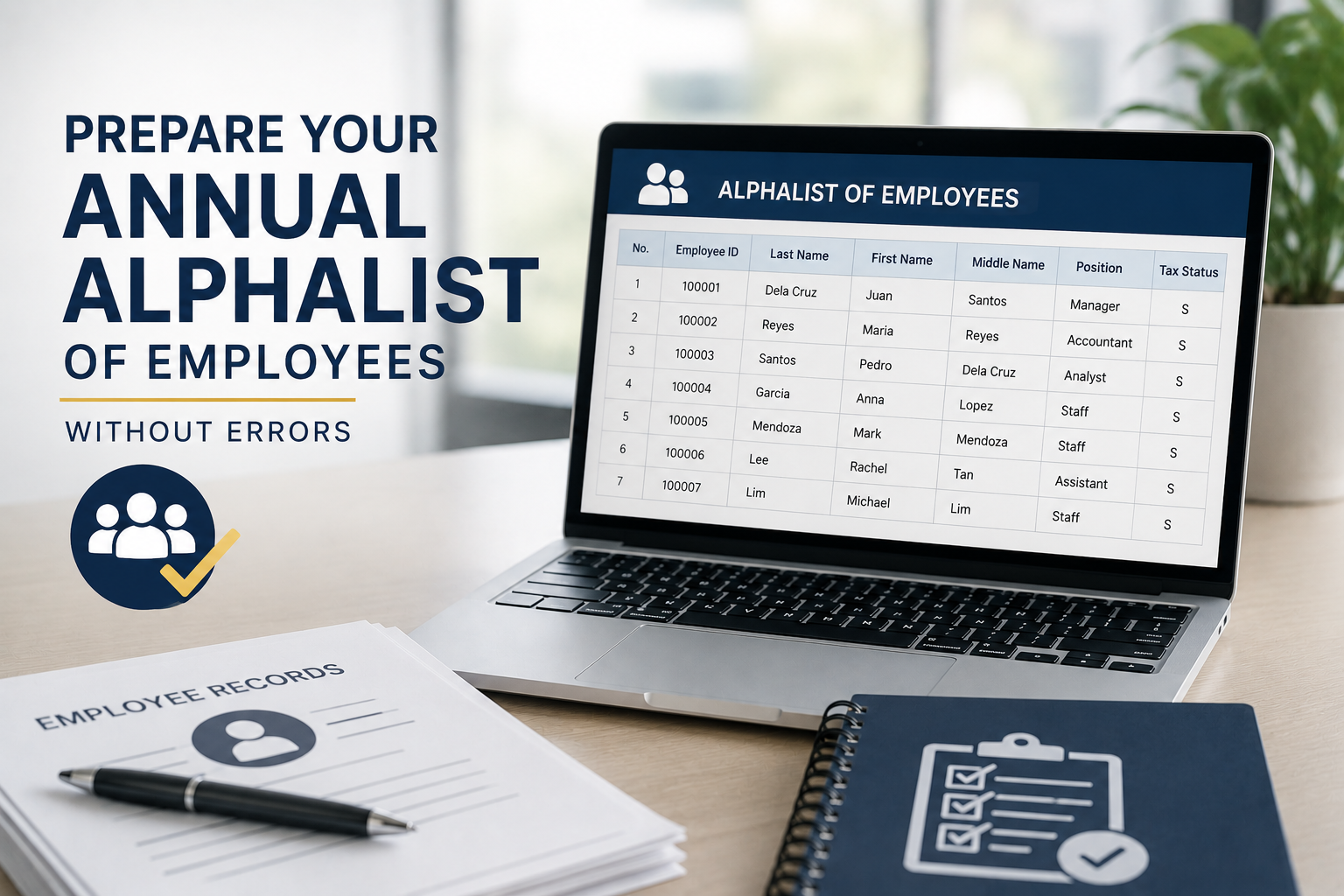
How to Prepare Your Annual Alphalist of Employees Without Errors
For employers in the Philippines, year-end tax compliance involves more than filing annual tax returns. One of the most important—and often overlooked—requirements is the preparation and submission of the Annual Alphalist of Employees. Although it may appear to be a simple list of employees and their compensation, even minor errors can lead to rejected submissions,…
-
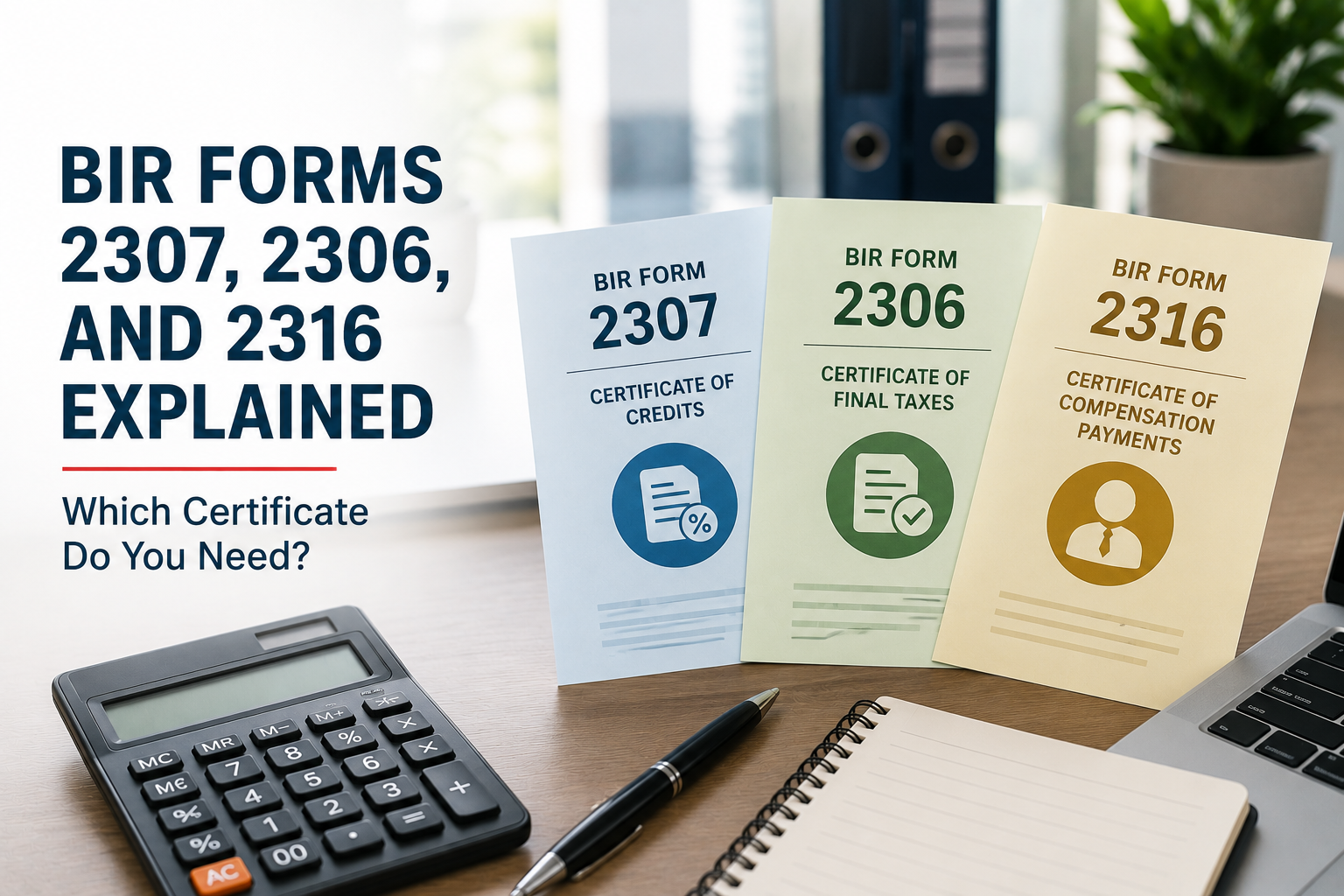
BIR Forms 2307, 2306, and 2316 Explained: Which Certificate Do You Need?
Whether you’re a business owner, employer, freelancer, professional, or employee, you’ve likely encountered BIR Forms 2307, 2306, or 2316. While these certificates all relate to taxes withheld at source, they serve different purposes and apply to different types of income. Confusing one certificate with another is a common mistake that can lead to incorrect tax…
-
Understanding BIR Form 1604-F: Annual Reporting of Final Withholding Taxes
Businesses in the Philippines often act not only as taxpayers but also as withholding agents of the government. While many employers are familiar with withholding taxes on compensation and expanded withholding taxes, another important compliance obligation is the reporting of Final Withholding Taxes (FWT) through BIR Form No. 1604-F. Failure to comply with final withholding…
-
Everything Employers Should Know About BIR Form 1604-C
Every employer in the Philippines has responsibilities that extend beyond paying salaries. Employers also act as withholding agents of the government, tasked with withholding, remitting, and reporting income taxes on compensation paid to employees. One of the most important year-end tax compliance requirements is the filing of BIR Form No. 1604-C, the Annual Information Return…
-
A Complete Guide to BIR Form 1604-E: Annual Expanded Withholding Tax Reporting
Businesses in the Philippines do more than pay their own taxes—they also act as withholding agents for the Bureau of Internal Revenue (BIR). Every time a business withholds taxes from payments to suppliers, contractors, professionals, or service providers, it assumes a legal responsibility to properly remit those taxes and report them to the BIR. One…
-
Reconciling Financial Statements with Income Tax Returns: Avoiding BIR Audit Issues
One of the most common reasons businesses receive Bureau of Internal Revenue (BIR) audit findings is the failure to reconcile their financial statements with their income tax returns. A company may report one amount of income in its financial statements and another in its tax return—not because of fraud, but because accounting standards and tax…