Category: Blog
-
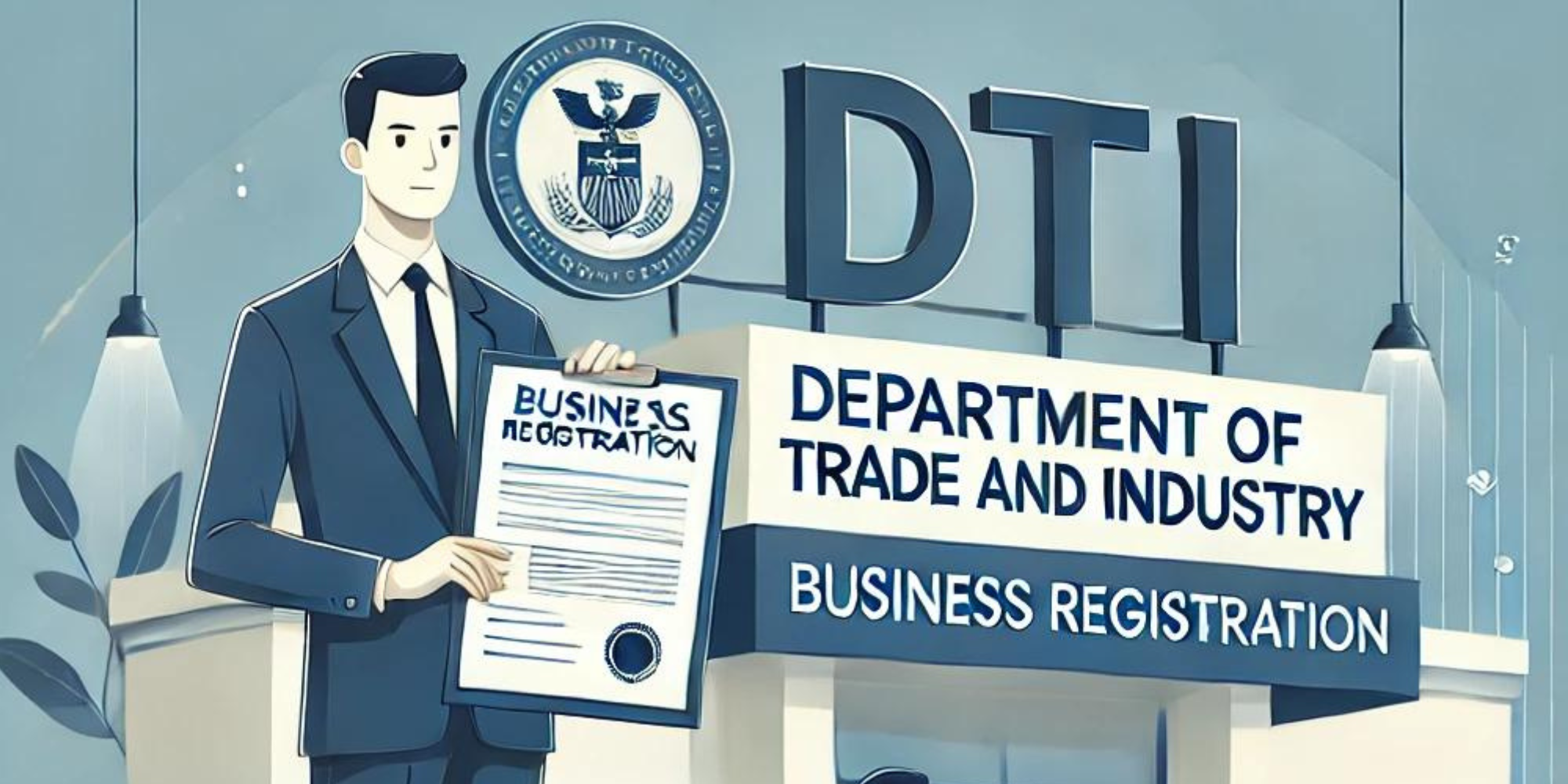
How to Register a Business with the Department of Trade and Industry (DTI)
Registering your business with the Department of Trade and Industry (DTI) is a crucial step for entrepreneurs, particularly for those setting up a sole proprietorship. The DTI is responsible for registering business names and ensuring that no two businesses have the same name. This guide outlines the step-by-step process of registering a business with the…
-

Legal Aspects of Corporate Governance for Publicly Listed Companies
Corporate governance refers to the systems, principles, and processes by which companies are directed and controlled. In the Philippines, corporate governance for publicly listed companies is regulated by various laws, rules, and guidelines to ensure accountability, transparency, and fairness in business operations. Here’s a comprehensive guide on the legal aspects of corporate governance for publicly…
-

Navigating the Philippine Anti-Dummy Law
The Anti-Dummy Law (Commonwealth Act No. 108, as amended) is designed to enforce constitutional and statutory restrictions on foreign ownership and control of certain activities and enterprises in the Philippines. Navigating the Anti-Dummy Law is crucial for businesses involving foreign investments to ensure compliance and avoid legal penalties. This guide provides an overview of the…
-

Legal Requirements for Import and Export Businesses in the Philippines
Engaging in import and export activities in the Philippines involves navigating a complex set of legal requirements and regulatory compliance standards. This guide provides an overview of the necessary steps and considerations for setting up and operating an import and export business in the Philippines. 1. Business Registration 1.1 Register the Business Entity Department of…
-

Understanding the Role of the Bureau of Internal Revenue (BIR) in Business Registration
The Bureau of Internal Revenue (BIR) plays a crucial role in the business registration process in the Philippines. It ensures that businesses comply with tax laws, regulations, and requirements. Registering your business with the BIR is essential for legal operation, tax compliance, and avoiding penalties. Here’s a detailed guide on the role of the BIR…
-

Corporate Compliance with Occupational Safety and Health Standards
Compliance with occupational safety and health (OSH) standards is crucial for businesses in the Philippines to ensure a safe working environment, protect employees, and avoid legal penalties. The Occupational Safety and Health Standards (OSHS) under the Department of Labor and Employment (DOLE) provides the framework for these requirements. Here’s a comprehensive guide on how businesses…
-

Philippine Cybercrime Law: Compliance for Businesses
The Philippine Cybercrime Prevention Act of 2012 (Republic Act No. 10175) establishes legal measures to combat cybercrime and ensure cybersecurity in the country. Businesses operating in the Philippines must comply with this law to protect their operations, safeguard data, and avoid legal penalties. Here’s a comprehensive guide on how businesses can ensure compliance with the…
-

Legal Guidelines for Corporate Sponsorship and Philanthropy
Corporate sponsorship and philanthropy are essential components of corporate social responsibility (CSR) and can significantly impact a company’s reputation and community relations. However, these activities must be conducted within the legal framework to ensure compliance and avoid potential legal issues. Here’s a detailed guide on the legal guidelines for corporate sponsorship and philanthropy in the…
-

Understanding the Requirements for Business Expansion into New Regions
Expanding a business into new regions within the Philippines involves several legal, regulatory, and strategic considerations. Successful expansion requires thorough planning, compliance with local regulations, and an understanding of the regional market dynamics. This guide provides a comprehensive overview of the requirements and steps for expanding a business into new regions in the Philippines. 1.…
-

How to Handle Corporate Disputes and Litigation
Corporate disputes and litigation can be complex and costly, requiring strategic management to minimize disruption to business operations. In the Philippines, handling corporate disputes involves understanding the legal framework, employing effective dispute resolution mechanisms, and ensuring compliance with relevant laws. Here’s a comprehensive guide on how to handle corporate disputes and litigation in the Philippines.…