Author: Mark Virgil Lofranco
-
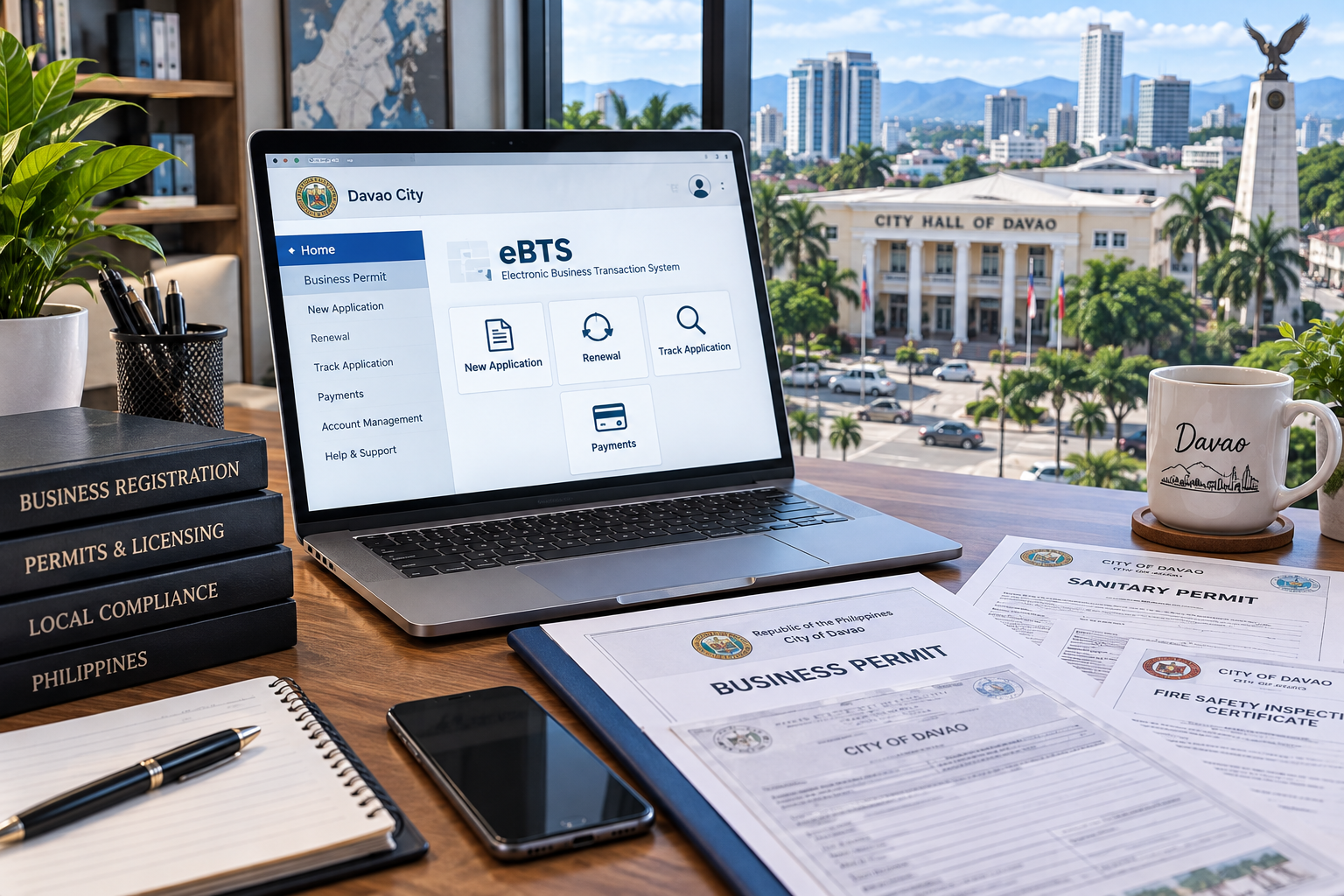
Streamlining Davao City Business Permits via eBTS
How to Fast-Track Your Davao Mayor’s Permit with the eBTS Portal Long lines at the Sangguniang Panlungsod are a thing of the past. The Davao City Government’s Online Business Permit and Licensing System (eBTS) offers a fully digital setup to secure your local Mayor’s Permit from home. Step-by-Step Guide to Digital Local Registration: Gather Initial…
-
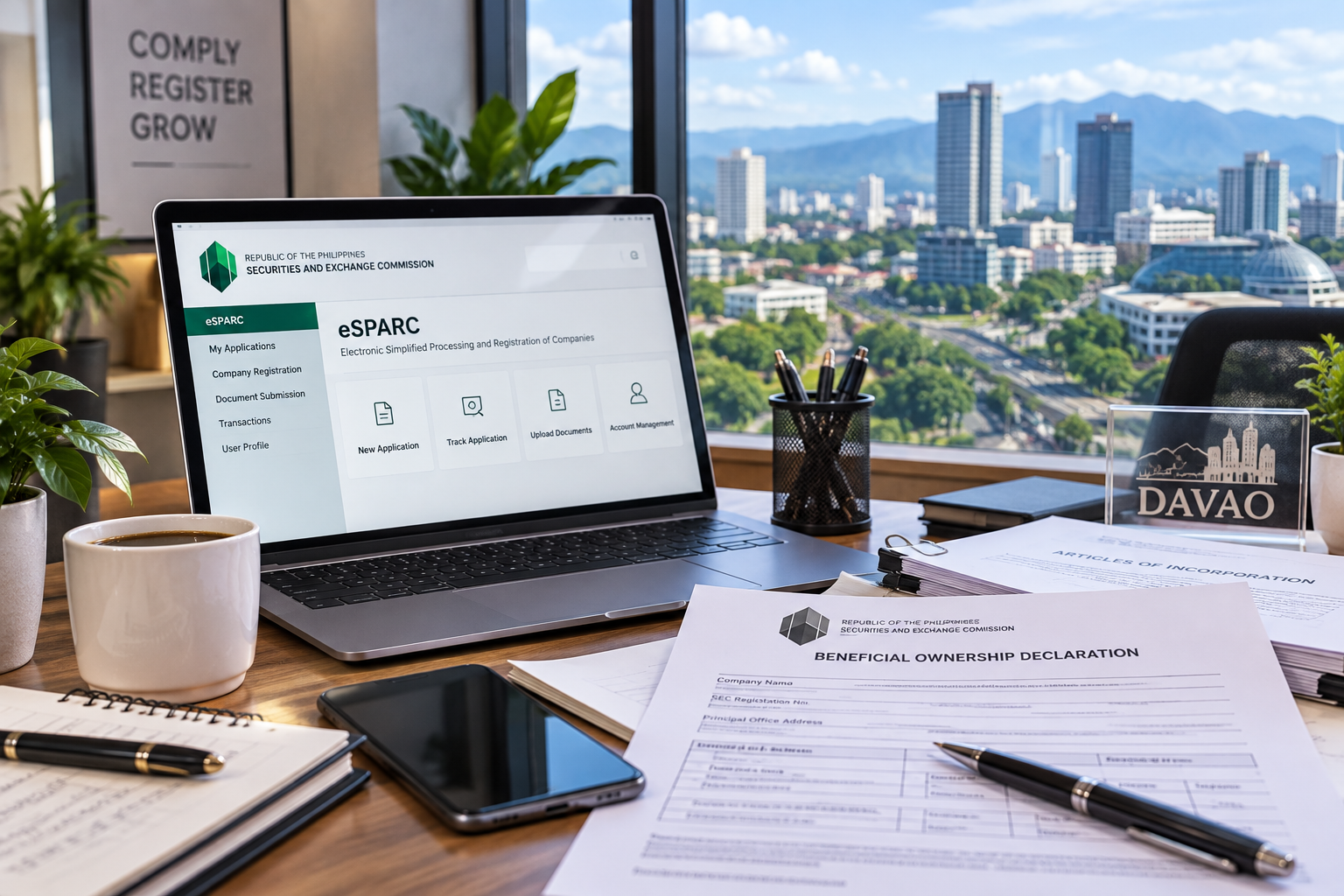
Navigating the SEC’s eSPARC & Beneficial Ownership Disclosure in Davao
Mastering SEC eSPARC: The Ultimate Guide to Ultimate Beneficial Ownership (UBO) Compliance in Davao Registering a corporation in Davao City requires compliance with strict corporate transparency guidelines. The Securities and Exchange Commission (SEC) Davao Extension Office enforces strict tracking of corporate ownership through the Electronic Simplified Processing of Application for Registration of Company (eSPARC) and…
-

Increased SEC Statutory Audit Thresholds
Early-stage companies and micro-enterprises in the Philippines have received significant compliance relief. Under SEC Memorandum Circular No. 04, Series of 2026, the Securities and Exchange Commission raised the mandatory Audited Financial Statement (AFS) asset and liability threshold from ₱600,000 to ₱3,000,000. This adjustment lowers annual compliance expenses, allowing growing startups and One Person Corporations (OPCs)…
-

SEC eSPARC & eSECURE System Troubleshooting
Navigating the Securities and Exchange Commission’s digital infrastructure is mandatory for setting up or modifying a business in the Philippines. However, system updates, strict eKYC verification rules, and automated document review standards frequently cause upload errors in the eSPARC (Electronic Simplified Processing of Application for Registration of Company) portal and the eSECURE authentication environment. Here…
-

SEC Beneficial Ownership Disclosure Deadlines
Corporate secrecy is undergoing a massive regulatory shift in the Philippines. With the enforcement of SEC Memorandum Circular No. 15, Series of 2025 (the Beneficial Ownership Disclosure Rules), the Securities and Exchange Commission (SEC) has overhauled compliance for all domestic and foreign corporations operating in the country. The era of hiding ultimate decision-makers behind nominee…
-

Why Corporate Registration Rules Change Every Year (And How to Keep Up)
You finally figured out how to register a corporation. You bookmarked the government pages. Saved the forms. Downloaded a checklist. Maybe you even followed a tutorial showing exactly what to click. Then a few months later, something changes. A portal looks different. A form has been revised. A process has moved online. An old document…
-

The Registration Maze: Which Permits Do You Actually Need?
You’ve registered the company with the SEC. So you’re ready to operate, right? Then someone says: “You still need to register with the BIR.” Okay. Then: “What about your Business Permit?” Then: “Do you have the barangay requirement?” Then: “What about fire safety?” And just when you think you’re finished: “Does your industry require another…
-

Shares, Directors, and Taxes: Why Corporate Setup Feels Impossible
You just want to start a business. Then corporate registration starts asking questions: How many shares will the corporation have? What’s the par value? Who are the directors? Who should be president, treasurer, and corporate secretary? What taxes need to be registered? Can a foreign investor own the company? What’s the difference between authorized, subscribed,…
-

Articles of Incorporation Decoded: What Do These Fields Even Mean?
You’re ready to register your corporation. Then you encounter terms like: Authorized Capital Stock. Subscribed Capital. Par Value. Primary Purpose. Incorporator. Director. Suddenly, registering a company feels less like starting a business and more like taking a corporate-law exam. The Articles of Incorporation are among the foundational documents of a Philippine corporation. They contain important…
-

Is Your Corporate Structure Actually Protecting Your Personal Assets?
One of the biggest reasons entrepreneurs choose a corporation is protection. The basic idea sounds simple: If the business gets into financial trouble, your personal assets should be separate from the corporation’s liabilities. That distinction is one of the fundamental advantages of the corporate structure. Under Philippine corporate law, a corporation has a juridical personality…