Author: Mark Virgil Lofranco
-
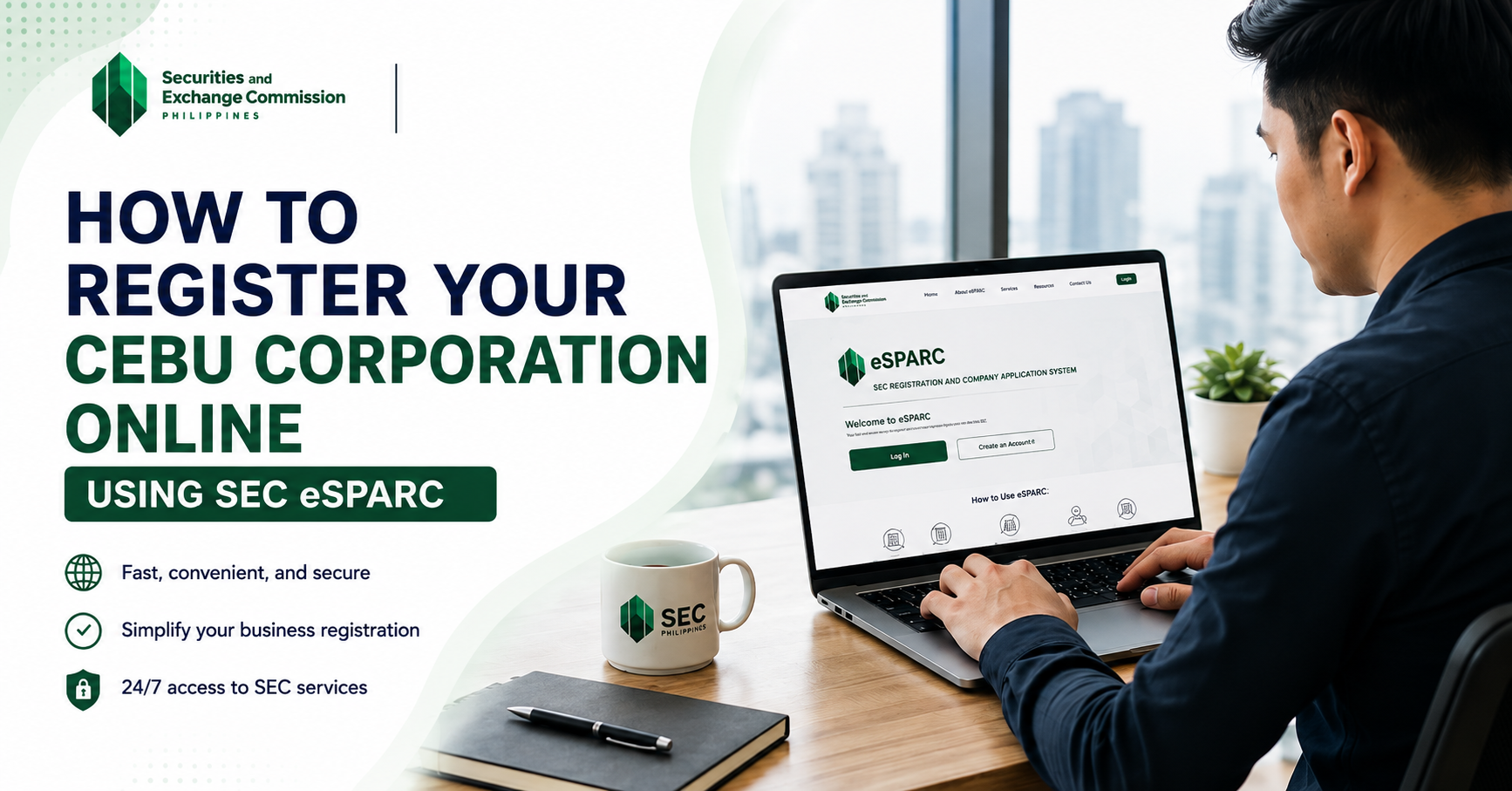
How to Register Your Cebu Corporation Online in 24 Hours Using SEC eSPARC
Setting up a business in Cebu starts at the Securities and Exchange Commission (SEC). Thanks to the eSPARC (Electronic Simplified Processing of Application for Registration of Company) system and eSECURE, the traditional paperwork bottleneck is a thing of the past. What is SEC eSPARC? eSPARC is the SEC’s online portal that processes applications for One…
-

PEZA Locator Status – Application Requirements & Ecozone Benefits
For foreign and domestic export-oriented enterprises expanding into economic hubs like Cebu and Davao, registering with the Philippine Economic Zone Authority (PEZA) remains a primary route for maximizing tax efficiency. PEZA grants fiscal and non-fiscal incentives to businesses located within designated Special Economic Zones, IT Parks, and IT Buildings. Who Qualifies for PEZA Locator Status?…
-

BIR Registration & Preparing for Tax Mapping (TCVD)
After obtaining your Mayor’s Permit, you must register your business with the Bureau of Internal Revenue (BIR) under the Revenue District Office (RDO) that has jurisdiction over your business address. BIR Registration (Form 2303) Register online via the BIR ORUS (Online Registration and Update System) or directly at your assigned RDO. Submit the SEC Registration,…
-
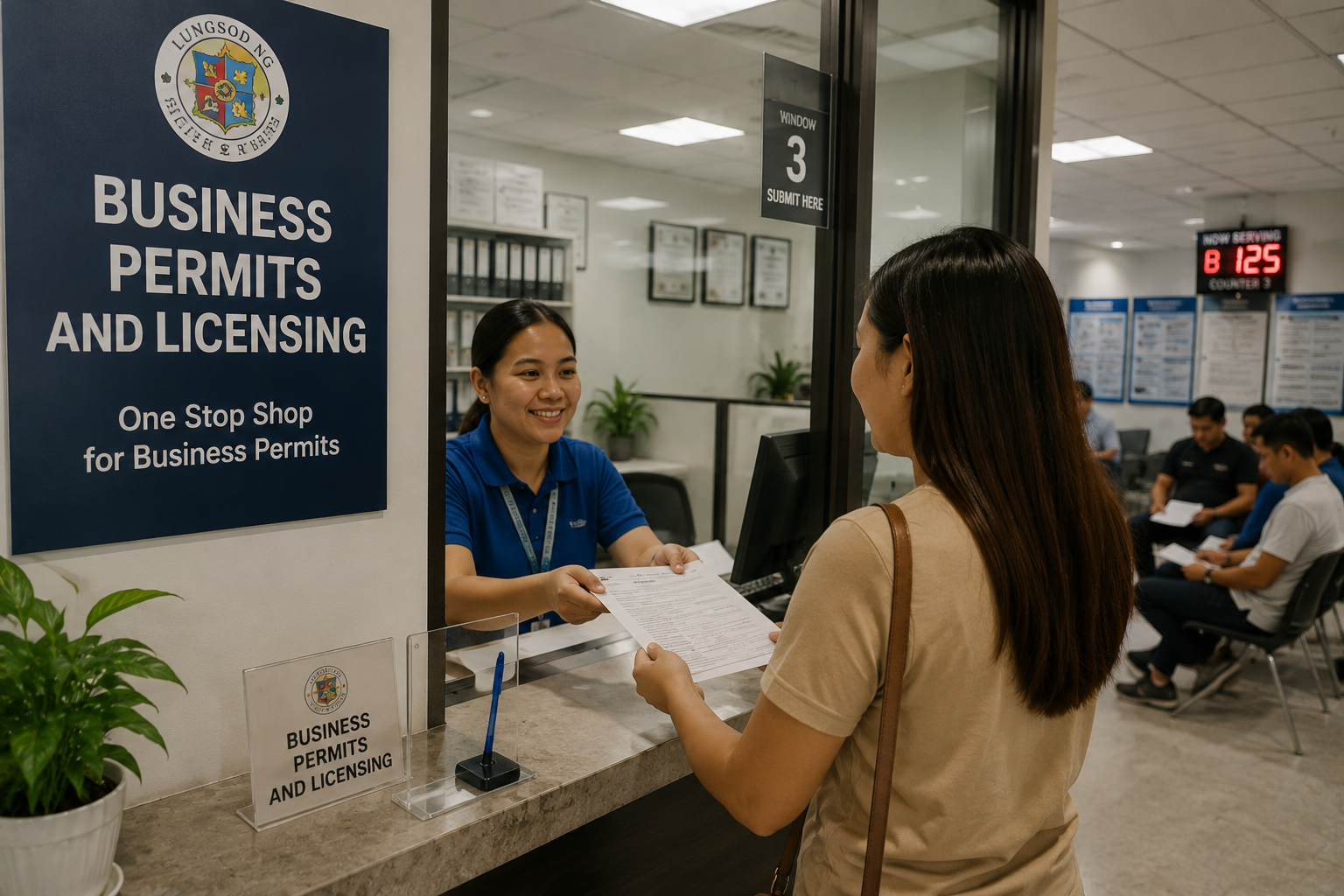
Securing Local Business Permits – Cebu City, Mandaue, and Davao City
Once your SEC Certificate of Incorporation is issued, your business cannot legally operate until it secures a Mayor’s Permit (Business Permit) from the local government unit (LGU) where your physical office or facility is located. Step-by-Step LGU Permit Workflow Barangay Clearance: Secure clearance from the specific barangay where your office or commercial space sits. Occupancy…
-

SEC Registration – Foreign-Owned vs. Domestic Corporations
Setting up a corporate entity in the Philippines requires registering with the Securities and Exchange Commission (SEC) through the eSPARC (Electronic Simplified Processing of Application for Registration of Company) platform. While the initial portal is the same, the structural path varies significantly depending on whether your company is Domestic (Filipino-owned) or Foreign-Owned. Ownership and Equity…
-

Setting Up a PEZA or Foreign-Owned Business in Cebu (MEZ & IT Park Setup)
Guide for foreign investors and BPOs registering an SEC company in Metro Cebu, including PEZA incentives and Mactan Economic Zone requirements. Metro Cebu is a premier hub for foreign direct investment, IT-BPM operations, and export manufacturing—particularly within Cebu IT Park, Cebu Business Park, and the Mactan Economic Zone (MEZ). Key SEC & Regulatory Requirements for…
-

Post-SEC Checklist: 5 Steps to Open for Business in Metro Cebu
Received your SEC Certificate of Incorporation in Cebu? Complete these 5 mandatory steps within 30 days to avoid heavy fines. Obtaining your SEC Certificate of Incorporation grants your company legal existence, but it does not permit commercial operations in Metro Cebu immediately. Plain Text SEC Certificate -> BIR Form 2303 (RDO 80-83) -> City Hall…
-
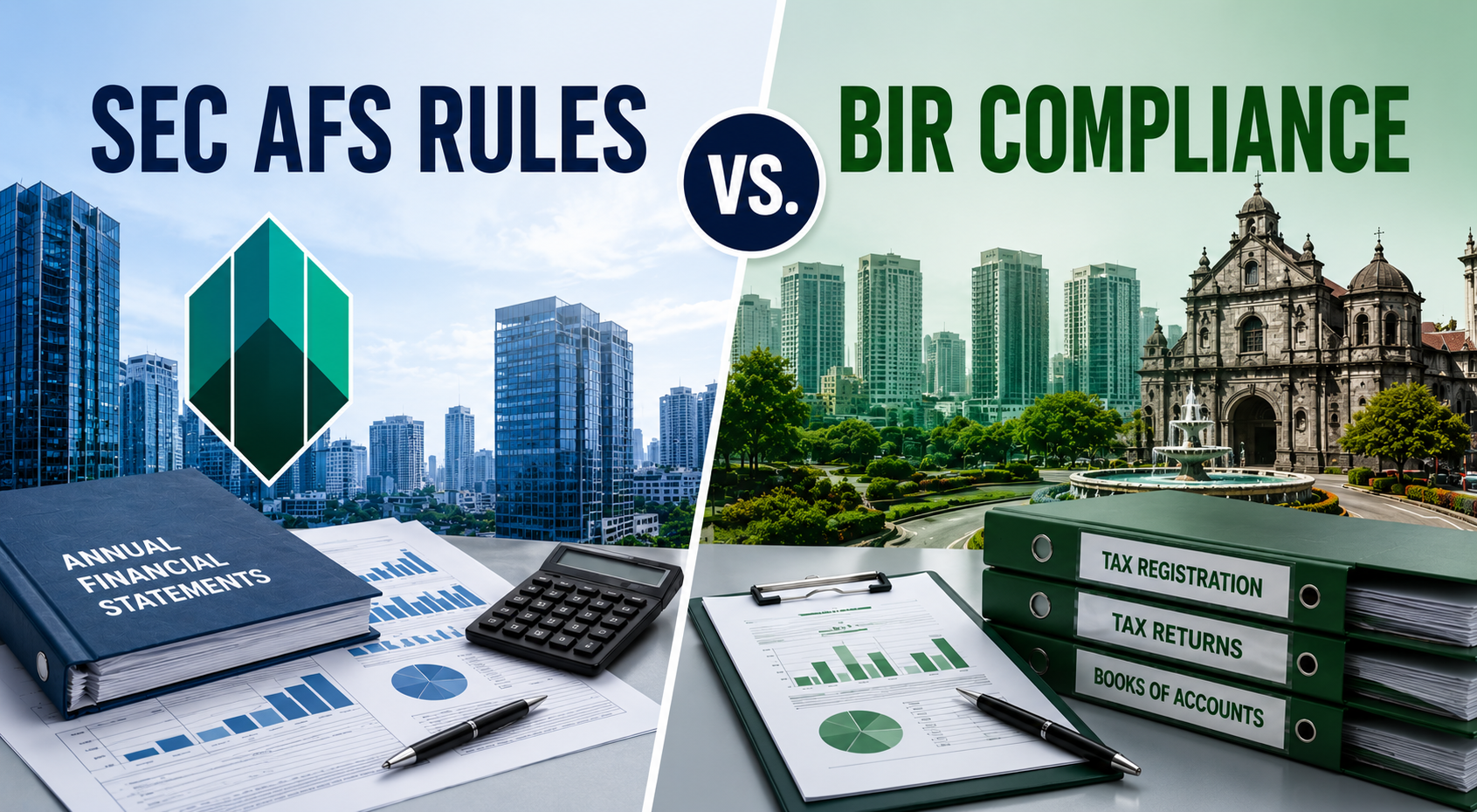
SEC AFS Rules vs. BIR Compliance in Cebu: What Small Businesses Must Know
Does your Cebu business need an Audited Financial Statement (AFS)? Understand the SEC ₱3M threshold and avoid BIR penalties with CBOS. A frequent point of confusion for business owners in Cebu is the difference between SEC annual reporting requirements and BIR tax compliance rules. The SEC ₱3 Million AFS Exemption Threshold Under current SEC guidelines,…
-
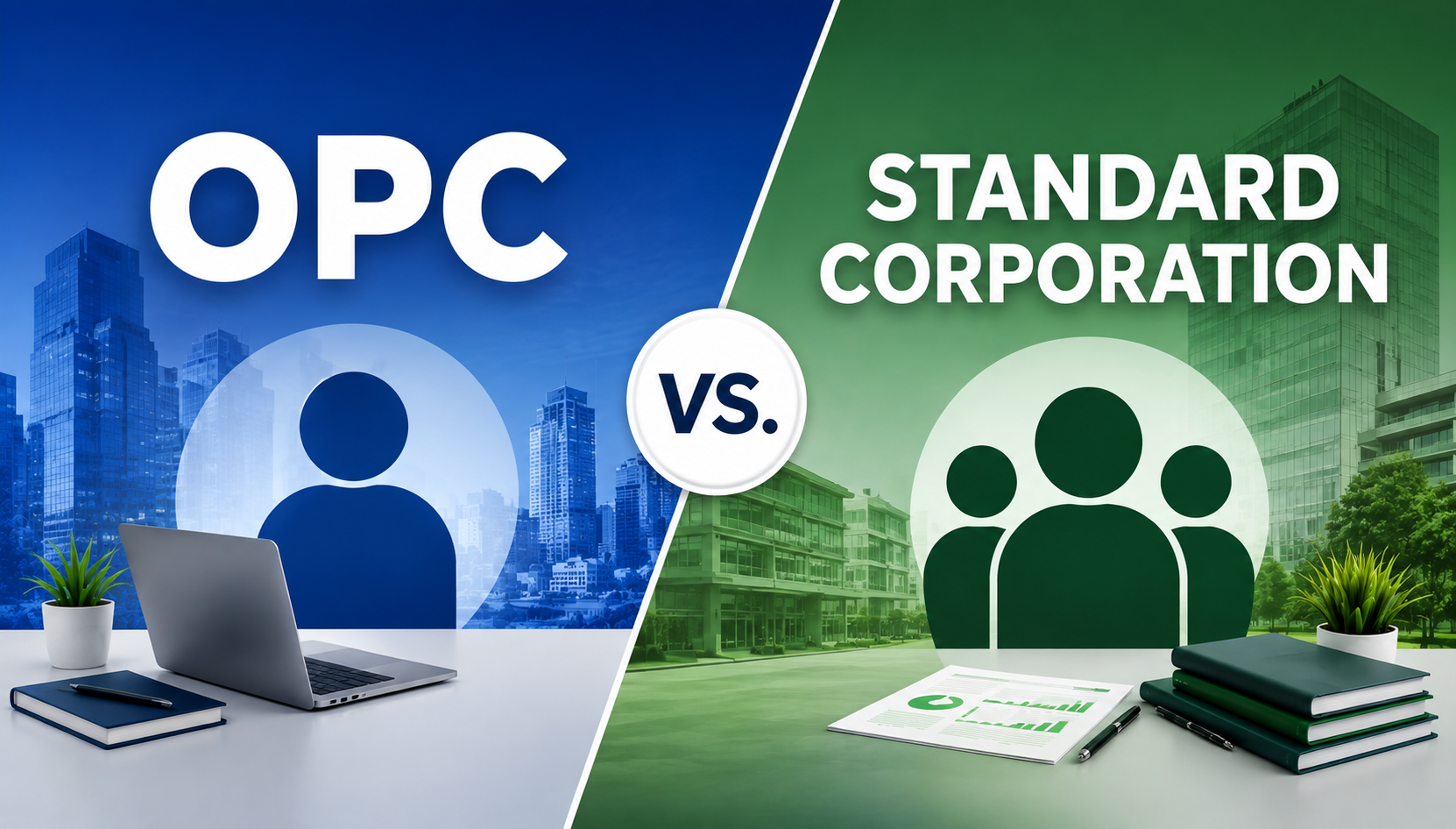
OPC vs. Standard Corporation: Which Fits Your Cebu Business?
Deciding between a One Person Corporation (OPC) and a regular stock corporation in Cebu? Compare liability, capitalization, and local tax impact. Cebu’s economy—driven by IT-BPM, tourism, retail, and real estate—has seen a surge in sole founders establishing One Person Corporations (OPCs) alongside traditional multi-member corporations. Direct Comparison for Cebu Entrepreneurs Feature One Person Corporation (OPC)…
-

How to Register a Corporation in Cebu via SEC eSPARC
Registering a business in Metro Cebu? Learn how to navigate SEC eSPARC, local BIR RDO mapping, and City Hall permits with CBOS Business Solutions. Starting a corporation in Metro Cebu—whether in Cebu City, Mandaue, Lapu-Lapu, or Talisay—requires navigating the SEC’s digital platforms alongside local government requirements. Top business registration providers in Cebu leverage the eSPARC…